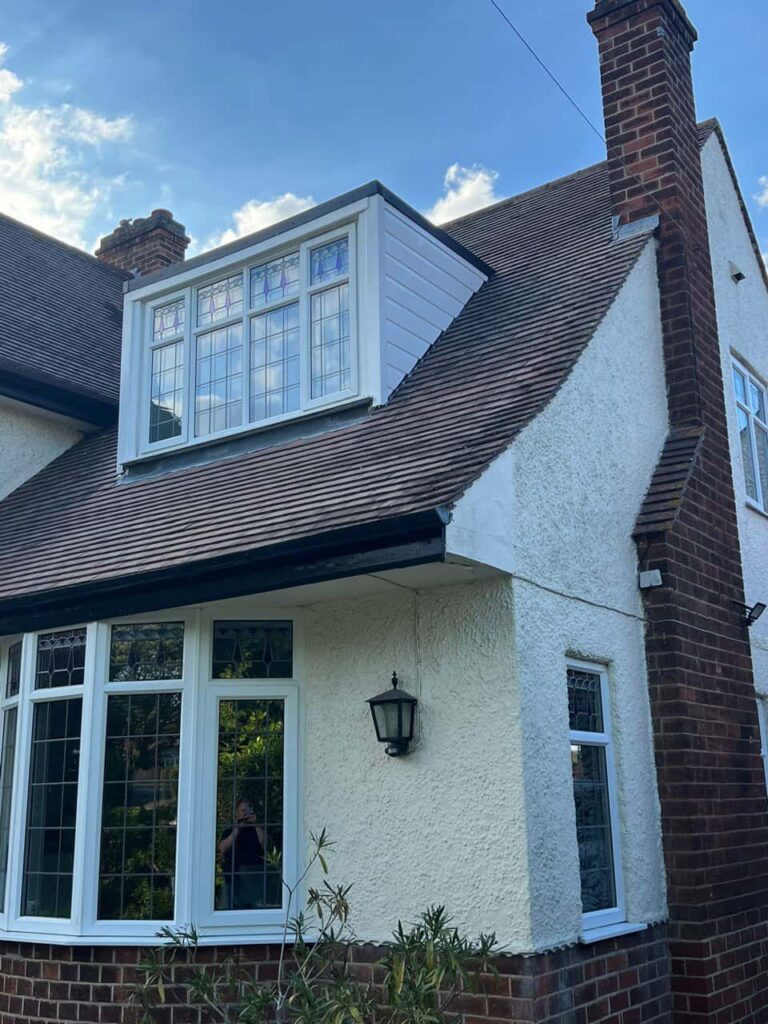
Occasional roof repairs are a normal part of maintaining a property. A slipped tile, a small area of damaged flashing or an isolated defect can often be repaired effectively, allowing an otherwise sound roof to continue performing for many years. The situation becomes different when roofing problems stop being occasional and begin forming a pattern.
If leaks repeatedly appear, tiles continue to deteriorate and different sections of the roof require attention year after year, the issue may no longer be one individual defect. It can indicate that the roofing system as a whole has reached a stage where continued maintenance is becoming less effective.
For homeowners in Covingham, Wiltshire, roof replacement can sometimes provide the opportunity to move away from repeated reactive repairs and establish a complete, dependable roofing system. At LJ Roofing Covingham, we assess the condition of the entire roof before recommending whether further repairs or replacement represents the more appropriate long-term approach.
When Does Normal Roof Maintenance Become an Ongoing Problem?
Every roof requires some level of attention during its lifespan. The important consideration is how frequently problems occur and whether repairs are continuing to provide lasting results.
Signs that maintenance is becoming an ongoing issue can include:
- Roof leaks developing in different locations
- Tiles repeatedly slipping or cracking
- Frequent repairs to ridge or hip areas
- Flashing deteriorating around several junctions
- Different roof sections requiring attention within relatively short periods
- Previous repairs no longer providing dependable protection
- General deterioration across large areas of the roof
When several of these problems occur together, repeatedly treating them individually may no longer address the underlying condition of the roof.
Why Do Older Roofs Start Requiring More Attention?
Roofing materials spend decades exposed to rain, wind, frost, sunlight and temperature changes.
Individual components do not necessarily deteriorate simultaneously. One section may begin causing problems before another, which can result in a gradual cycle of repairs.
A homeowner might initially replace several damaged tiles. Later, flashing requires attention. Another section then develops a leak, followed by deterioration around the ridge.
Each repair may be perfectly valid in isolation, but the pattern can reveal that the entire roofing system is ageing.
Replacement Addresses the Roof as a Complete System
One of the main differences between repair and replacement is the scale of the work.
A repair concentrates on a specific defect. Roof replacement allows the roofing system to be considered comprehensively.
This can involve renewing key elements such as:
- Roof coverings
- Underlay
- Battens where required
- Ridge and hip details
- Valleys
- Flashing and junctions
- Other weatherproofing components
Rather than having materials of significantly different ages across the roof, replacement creates a more consistent system designed to work together.
Recurring Leaks Can Indicate Wider Deterioration
A single roof leak does not automatically justify replacement. Many leaks originate from isolated defects that can be repaired successfully.
Repeated leaks are different.
If water ingress keeps appearing in different areas, there may be several weaknesses across the roof. Older tiles, deteriorating junctions and ageing materials can each provide potential routes for moisture.
In this situation, continually locating and repairing individual leaks can become increasingly reactive.
A professional roof assessment can establish whether the leaks remain isolated problems or form part of more widespread deterioration.
Replacement Can Deal With Hidden Problems
The visible roof covering only represents part of the roofing system.
Beneath tiles or slates are components that may have experienced years of exposure to occasional moisture, movement and general ageing.
Removing an existing roof covering provides greater access to these areas. This allows the underlying condition to be examined and appropriate preparation completed before new roofing materials are installed.
This is particularly valuable where an older roof has experienced recurring water ingress and there are concerns about what may be happening beneath the visible surface.
It Can End the Cycle of Replacing Individual Worn Tiles
Replacing occasional damaged tiles is an effective form of maintenance when most of the roof covering remains sound.
However, there can come a point where tiles begin failing across numerous areas.
Common signs include:
- Increasing numbers of cracked tiles
- Surface deterioration
- Frequent slipping
- Brittle or weathered materials
- Repairs becoming necessary across different roof slopes
At this stage, the problem may be the general condition of the covering rather than a handful of defective tiles.
Replacement provides the opportunity to renew the entire roof covering rather than waiting for individual components to fail one after another.
Roof Junctions Can Be Renewed at the Same Time
Some of the most vulnerable areas of a roof are where different surfaces and materials meet.
These include:
- Chimney surrounds
- Valleys
- Abutments
- Ridges
- Hips
- Changes in roof level
On an ageing roof, several of these areas may have undergone repairs at different times. Roof replacement allows critical junctions to be considered together as part of the new installation.
Careful detailing in these areas is essential to creating reliable long-term weather protection.
A New Roof Provides a Fresh Starting Point
One difficulty with maintaining an older roof is that different components may have very different histories.
There may be original roofing materials alongside repairs completed at various stages. Some sections may still be sound while others are approaching the end of their useful life.
A replacement roof provides a much clearer starting point.
Instead of managing numerous ageing sections independently, homeowners have a newly installed roofing system whose principal components have been considered and installed together.
Does a New Roof Mean No Future Maintenance?
No roof should be considered completely maintenance-free.
Even a new roof benefits from sensible observation and periodic professional inspection. Gutters still need to function correctly, debris can accumulate, and severe weather can occasionally affect individual components.
The difference is that routine maintenance should not be confused with constantly repairing an ageing roofing system.
A properly installed replacement roof should provide dependable protection without the recurring pattern of age-related defects associated with a roof that has deteriorated extensively.
Professional Installation Is Essential
Replacing an old roof only solves ongoing problems when the new roofing system is installed correctly.
Successful roof replacement requires attention to much more than the visible tiles.
Important considerations include:
- Correct preparation
- Suitable underlay
- Appropriate batten installation
- Accurate tile positioning
- Secure fixing
- Effective roof junctions
- Flashing details
- Ventilation
- Rainwater management
These elements must work together. Careful professional installation helps ensure that replacement genuinely addresses existing problems rather than introducing new weaknesses.
When Are Repairs Still the Better Option?
Roof replacement should not be recommended simply because a property has an older roof.
Repairs can remain highly effective when:
- Damage is localised
- The majority of the covering remains sound
- Leaks have a clearly identifiable cause
- Repairs provide lasting results
- The underlying roofing system remains serviceable
In these circumstances, replacing the complete roof may be unnecessary.
The objective should always be to carry out the work the roof genuinely needs.
When Should Replacement Be Considered?
Replacement becomes more relevant when deterioration has moved beyond isolated areas.
It may be worth discussing a new roof where there is:
- Widespread material deterioration
- A history of recurring leaks
- Frequent new repair requirements
- Multiple ageing roof details
- Deterioration across several roof slopes
- Repeated problems despite previous repairs
The pattern matters just as much as any individual defect.
A roof that continually develops unrelated problems may be showing that its components are reaching a similar stage of overall deterioration.
Why a Thorough Roof Assessment Matters
The decision between repair and replacement should be based on evidence rather than assumptions.
A professional assessment can examine:
- Tiles or slates
- Ridges and hips
- Valleys
- Flashing
- Roof junctions
- Signs of water ingress
- Previous repair areas
- General roof condition
This wider view helps establish whether individual repairs are likely to provide dependable results or whether replacement offers a more suitable long-term solution.
Why Choose LJ Roofing Covingham?
At LJ Roofing Covingham, we provide professional roofing services throughout Covingham, Wiltshire, covering roof repairs, inspections and complete roof replacement.
Our approach begins with understanding why problems are occurring. If a roof remains fundamentally sound, targeted repairs can often restore reliable protection without unnecessary work. Where deterioration has become widespread and maintenance problems continually return, we can assess whether replacement would provide a more dependable solution.
Careful preparation, professional workmanship and attention to important roofing details are central to creating a roof capable of protecting the property effectively for years to come.
Conclusion
Roof replacement can put an end to years of ongoing maintenance problems when those problems are being caused by widespread age-related deterioration rather than isolated defects. Continually repairing individual tiles, leaks, flashing and roof junctions may become increasingly ineffective when numerous parts of the roofing system are deteriorating at the same time.
Replacement provides an opportunity to renew the roof comprehensively, inspect underlying areas and create a consistent roofing system rather than continuing a cycle of reactive repairs.
However, replacement is not automatically necessary whenever an older roof develops a problem. The correct decision depends on the extent, frequency and underlying cause of the deterioration.
For homeowners in Covingham, Wiltshire, LJ Roofing Covingham provides professional roof assessments, repairs and roof replacement services. If your property has experienced years of recurring roofing problems, our experienced team can assess the complete roof and recommend the most appropriate way to restore dependable long-term protection.
Call us on: 01793 569 296
Click here to find out more about LJ Roofing Covingham
Click here to complete our contact form and see how we can help with your roofing needs.